Introduction
In an age of minimalist paint palettes and smart homes, papel de parede—or wallpaper—continues to be a vital element in interior design. Once considered old-fashioned, wallpaper has made a strong comeback thanks to advancements in material quality, design diversity, and ease of application.
Whether you’re looking to add texture, pattern, or a bold statement wall, wallpaper offers a unique, customizable way to redefine your space.
What is Papel de Parede?
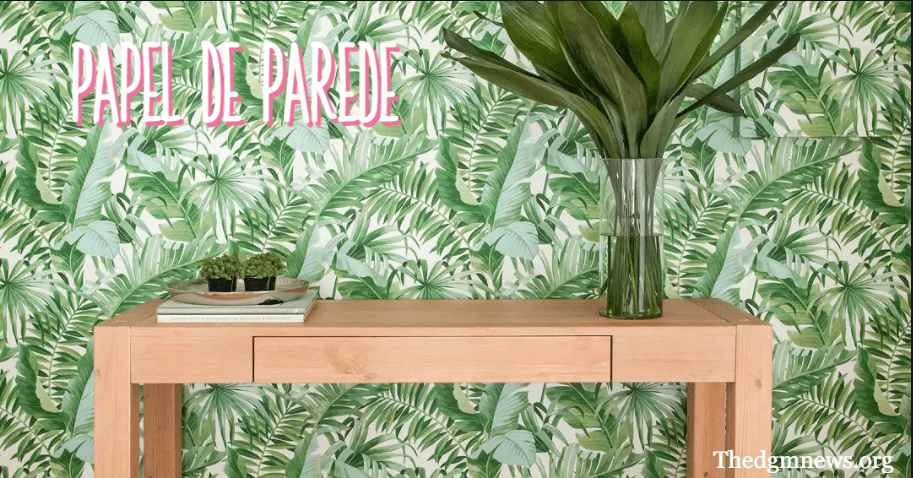
Papel de parede, a Portuguese term for wallpaper, refers to decorative paper or vinyl materials used to cover and enhance interior walls. It’s an artistic and functional alternative to paint, providing both visual interest and protective layering to walls.
Key Benefits:
- Visual Appeal: Patterns, textures, and designs add personality.
- Durability: Modern wallpapers are moisture-resistant and long-lasting.
- Versatility: Ideal for residential, commercial, and creative spaces.
Types of Papel de Parede
Understanding the different types of wallpaper is essential to selecting the right one for your specific needs.
1. Vinyl Wallpaper
Best For: Kitchens, bathrooms, high-traffic areas
Features:
- Water-resistant
- Easy to clean
- Available in countless patterns
2. Non-Woven Wallpaper
Best For: Living rooms, bedrooms
Features:
- Breathable and tear-resistant
- Eco-friendly
- Simple installation and removal
3. Fabric Wallpaper
Best For: Accent walls and luxury interiors
Features:
- Elegant texture
- Requires professional installation
- Sensitive to moisture
4. Peel and Stick Wallpaper
Best For: Renters and DIYers
Features:
- Removable and reusable
- Minimal tools required
- Perfect for temporary use
5. Foil Wallpaper
Best For: Glamorous or reflective looks
Features:
- Metallic surface
- Highlights natural and artificial light
- Requires a smooth surface for installation
Design Styles and Trends in Papel de Parede
Wallpaper styles evolve with fashion, art, and technology. Here are the current design trends that define modern spaces.
Popular Styles:
- Geometric Prints: Clean lines and modern symmetry
- Botanical and Floral: Nature-inspired calm
- Textured Imitations: Brick, stone, wood for rustic or urban looks
- Murals and Scenery: Large-scale prints for immersive visuals
- Tropical & Jungle: Bold colors and oversized foliage
Color Trends for 2025:
- Earthy tones like terracotta and sage green
- Matte black and navy blue for contrast
- Metallic golds and silvers for elegance
How to Choose the Right Papel de Parede
Choosing wallpaper requires balancing aesthetics, function, and environment.
Factors to Consider:
| Element | Consideration |
| Room Type | Moisture resistance for kitchens/bathrooms |
| Lighting | Light-colored wallpapers brighten dim spaces |
| Pattern Scale | Large patterns suit spacious rooms; small patterns for tight areas |
| Wall Condition | Textured or damaged walls may need lining paper first |
| Budget | Costs vary significantly by material and brand |
How to Install Papel de Parede Like a Pr
While professional installation guarantees quality, DIY methods are viable for many types of wallpaper, especially peel-and-stick and pre-pasted versions.
Tools Needed:
- Measuring tape
- Utility knife
- Wallpaper adhesive (if not pre-pasted)
- Smoothing tool or brush
- Level or plumb line
- Sponge and bucket for clean-up
Installation Process:
- Measure and Cut: Calculate wall dimensions and cut the wallpaper panels accordingly.
- Prep the Wall: Clean and smooth the surface. Remove dust or old wallpaper.
- Apply Adhesive (for non-stick wallpapers): Follow the product’s adhesive guidelines.
- Align and Apply: Start from the top and align each strip. Use the level for precision.
- Smooth Out Air Bubbles: Use a smoother or brush to eliminate wrinkles or bubbles.
- Trim Excess: Carefully trim corners and edges with a utility knife.
Maintenance Tips for Long-Lasting Papel de Parede
Proper care ensures your wallpaper remains beautiful for years.
Dos:
- Dust regularly with a microfiber cloth
- Use mild soap and water on washable surfaces
- Inspect for peeling edges and repair promptly
Don’ts:
- Avoid abrasive cleaners or brushes
- Do not soak the surface with water
- Don’t expose yourself to direct sunlight for extended periods
Real-World Examples of Papel de Parede Applications
Residential Use Case:
Client: Urban Apartment in São Paulo
Goal: Add texture to a minimalist space
Solution: Used geometric non-woven wallpaper with a matte finish in the living room
Result: Enhanced visual warmth and modernity
Commercial Use Case:
Client: Boutique Hotel in Lisbon
Goal: Evoke luxury in guest suites
Solution: Installed fabric wallpaper with metallic accents
Result: Boosted perceived room value and customer satisfaction
What to Expect When Buying Papel de Parede
| Type of Wallpaper | Price Range (per roll) | Lifespan |
| Vinyl | $25 – $60 | 10–15 years |
| Non-Woven | $35 – $75 | 8–12 years |
| Fabric | $70 – $150 | 10+ years |
| Peel-and-Stick | $20 – $45 | 3–5 years |
| Foil | $40 – $80 | 7–10 years |
Note: Installation costs may add $1.50–$3.00 per square foot for professional service.
Papel de Parede vs. Paint
| Feature | Wallpaper | Paint |
| Durability | Longer-lasting (8–15 years) | Shorter lifespan (5–7 years) |
| Aesthetic Variety | Infinite patterns and textures | Limited to color variations |
| Installation Time | Slower without experience | Quicker application |
| Cost | Typically higher | Budget-friendly options available |
Sustainability and Eco-Friendliness in Wallpaper
Many manufacturers now offer eco-conscious wallpaper options.
Eco-Friendly Features:
- PVC-free materials
- Water-based inks
- FSC-certified paper
- Biodegradable adhesives
Look for certifications like Greenguard or EcoLabel to ensure sustainability.
Conclusion
Papel de parede is more than a decorative covering—it’s a design statement, a mood setter, and in many cases, a practical solution for flawed walls.
With options to suit every taste, budget, and lifestyle, wallpaper remains one of the most powerful tools in interior design. Whether you’re planning a bold renovation or a subtle upgrade, wallpaper offers a compelling mix of beauty and function.
FAQs
What is the best type of papel de parede for humid areas?
Vinyl wallpaper is the most moisture-resistant, making it ideal for kitchens and bathrooms.
Is it easy to remove wallpaper later?
Peel-and-stick and non-woven wallpapers are easiest to remove without damaging the wall.
How long does wallpaper last?
With proper care, quality wallpaper can last anywhere from 8 to 15 years.
Can wallpaper be used on textured walls?
Yes, but it may require a lining paper or smoothing compound first.
Is papel de parede environmentally friendly?
Eco-friendly options are available, made from recyclable materials and non-toxic inks.